Wisteria 'Blue'
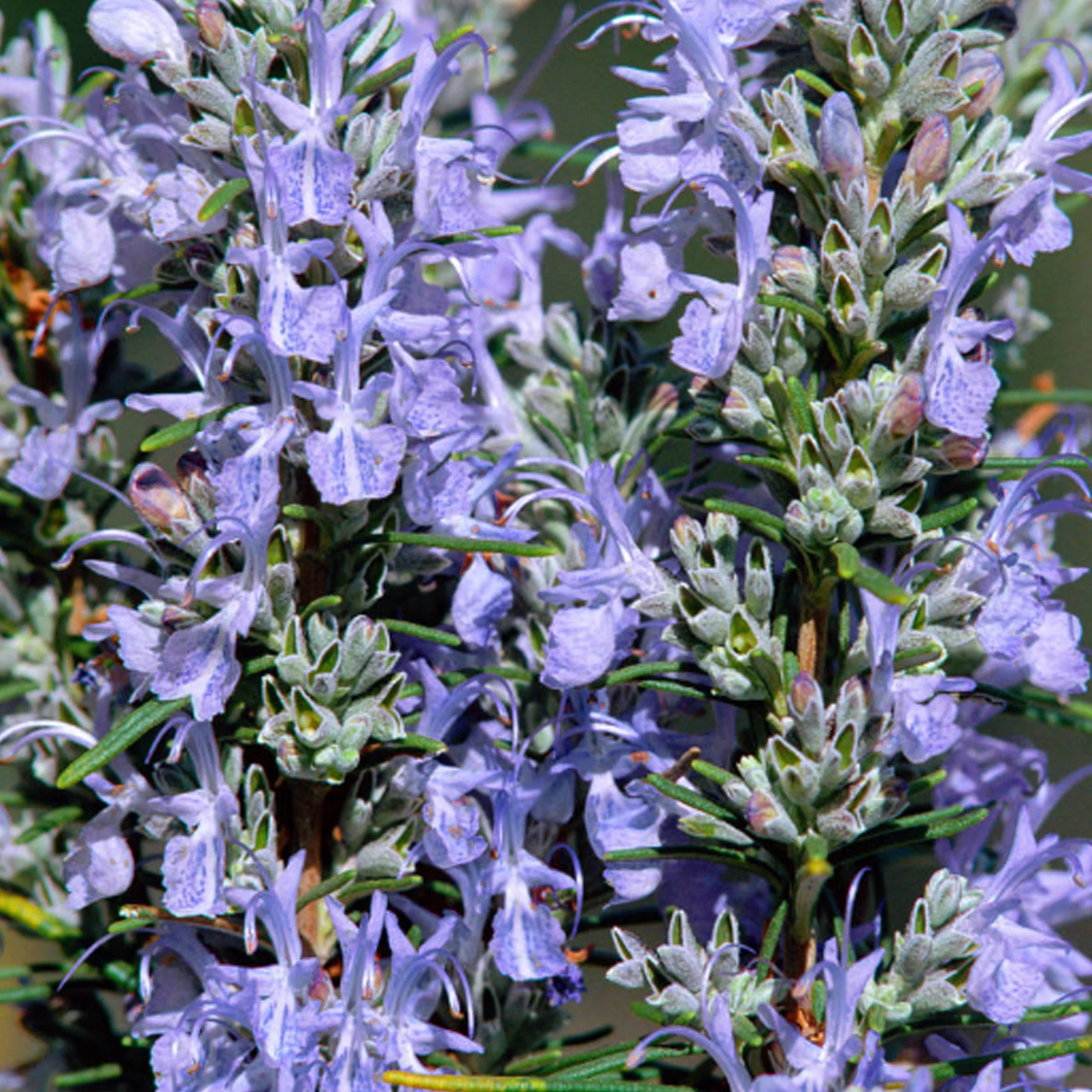
Wisteria sinensis is an attractive strong climbing deciduous shrub. Well known for its dense green foliage and revered for its excellent fragrance, the twining stems produce an abundance of drooping racemes that are around 60cm in length, these are packed with pea-like blue flowers sporting purple-tinged tips. These flowers begin to appear in late spring and bloom from the base of each cluster to the tip, they are soon followed by attractive bean-like pods which ripen in late summer and can last right through into winter. Train your plants to climb a trellis and they will provide a wall of colour during spring and summer year after year.
Sinensis will grow in almost any type of garden, it can be planted in full sun or partial shade and it is suited to any type of soil provided it is moist but well drained. To ensure prominent flowering year after year, prune back the twining stems right after flowering has finished in late summer, and once again at the height of winter.
Product Information
Product Information
Shipping & Returns
Shipping & Returns
Description
Wisteria sinensis is an attractive strong climbing deciduous shrub. Well known for its dense green foliage and revered for its excellent fragrance, the twining stems produce an abundance of drooping racemes that are around 60cm in length, these are packed with pea-like blue flowers sporting purple-tinged tips. These flowers begin to appear in late spring and bloom from the base of each cluster to the tip, they are soon followed by attractive bean-like pods which ripen in late summer and can last right through into winter. Train your plants to climb a trellis and they will provide a wall of colour during spring and summer year after year.
Sinensis will grow in almost any type of garden, it can be planted in full sun or partial shade and it is suited to any type of soil provided it is moist but well drained. To ensure prominent flowering year after year, prune back the twining stems right after flowering has finished in late summer, and once again at the height of winter.